

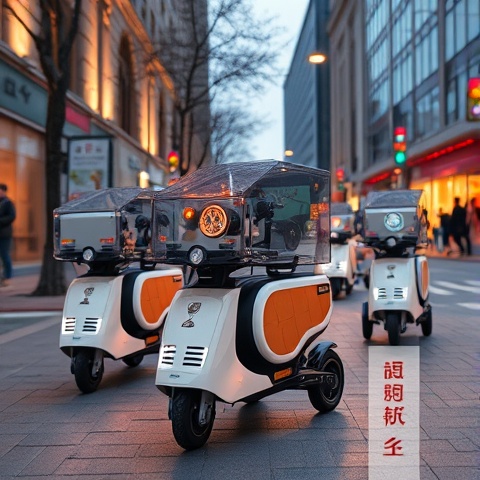
Robotics in Rental Scooters on City Streets
Introduction
The rise of micromobility solutions, such as rental scooters, has transformed how people move through cities. While convenient, these systems face challenges like improper parking, low battery availability, and maintenance inefficiencies. Robotics is emerging as a powerful solution to these urban mobility issues.
Key Applications of Robotics in Rental Scooters
Self-Parking Scooters
Scooters equipped with robotic drive-assist modules can reposition themselves to designated parking spots.
This reduces clutter on sidewalks and helps cities enforce parking regulations.
Autonomous Fleet Rebalancing
Robotic systems enable scooters to drive themselves to high-demand zones.
Eliminates the need for manual truck-based fleet redistribution, cutting operational costs and traffic congestion.
Automated Charging Solutions
Some scooters integrate robotic docking stations where they autonomously return for charging.
Wireless charging pads and robotic battery-swapping arms further streamline the process.
Safety and Maintenance
Robotics allows real-time diagnostics of scooters’ mechanical and electronic components.
AI-driven monitoring can detect issues like brake wear, flat tires, or motor malfunctions, and guide the scooter to a service hub autonomously.
Benefits to Cities and Users
Reduced Sidewalk Clutter: Self-parking scooters improve walkability and urban aesthetics.
Lower Operational Costs: Automation reduces reliance on human workers for collection and redeployment.
Environmental Gains: Less need for collection trucks lowers emissions.
Improved Availability: Scooters autonomously balance across the city, ensuring users always find one nearby.
Challenges Ahead
Infrastructure Readiness – Cities need designated robotic parking and charging hubs.
Regulatory Frameworks – Safety standards for self-driving scooters must be established.
Cost of Deployment – Adding robotics raises scooter unit prices, impacting scalability.
User Trust & Safety – Riders and pedestrians must feel safe sharing space with robotic mobility devices.
Conclusion
Robotics is set to redefine urban micromobility by making rental scooter systems smarter, safer, and more sustainable. While widespread adoption requires investment in infrastructure and regulatory adjustments, the future of city transportation is pointing toward autonomous, self-managing fleets that blend convenience with efficiency.